Contribute toward the service of truth and collective well-being. Click here
- Home
-
About Us ▾
About Us Tattvabodh Trust The Abstract Mission Certificate Founders The Abstract Monk [GD] Aadya Tyagi
- Our Work ▾
-
Impact ▾
Impact Stories The Wisdom Project Human Potential Development Education Healthcare Nutrition Arts, Literature & Aesthetics Culture & Heritage Livelihood Institutions Women & Youth Environment & Energy Relief & Rehabilitation Digital Transformation Social Justice Scholarship Programme
Impact Numbers Our Journey - Wisdom Hub ▾
- Mission 1.5
- Media
- Youtube
- The Abstract Club
- Get Involved
- Contact Us
Culture & Heritage
Tradition survives not by
preservation, but by awareness.
Overview
Culture is the accumulated expression of human inquiry across generations. It shapes identity, values, language, artistic expression, and systems of knowledge. Heritage—both tangible and intangible—preserves the memory of civilizations and the deeper search for truth that has guided humanity through time.
The preservation of culture is not an act of nostalgia, but an investment in continuity.
The Trust approaches culture and heritage as living traditions that evolve while remaining rooted in enduring wisdom. Cultural preservation includes safeguarding monuments, manuscripts, art forms, crafts, music, literature, and architectural heritage that embody historical knowledge and aesthetic refinement.
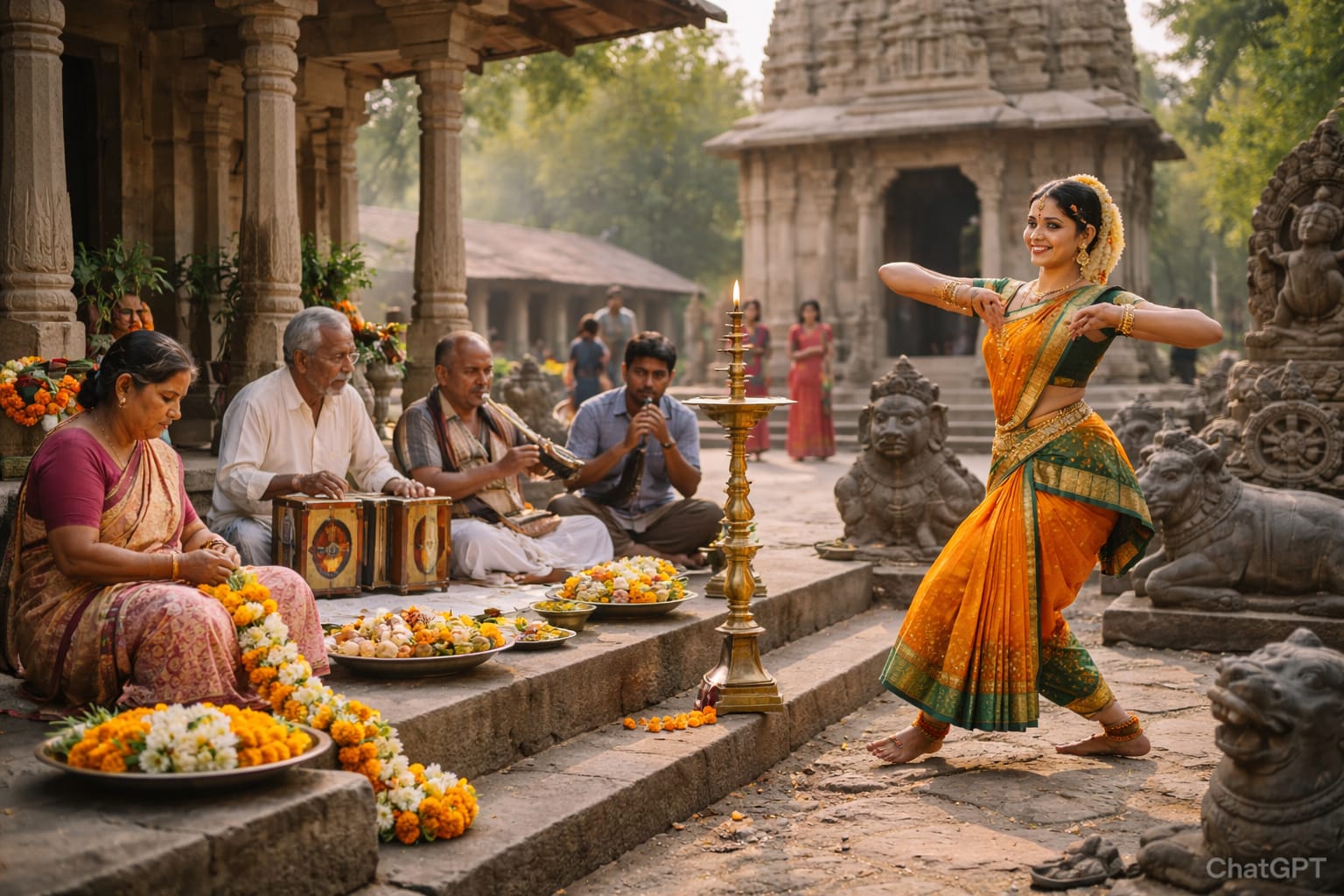
Intangible heritage is equally significant. Oral traditions, regional languages, folk expressions, rituals, performing arts, and indigenous knowledge systems represent accumulated community wisdom. Supporting their documentation, practice, and transmission ensures that cultural memory remains active rather than forgotten.
Intellectual heritage forms a vital dimension of civilizational continuity. Philosophical systems, literary works, scientific treatises, wisdom discourses, and scholarly traditions represent humanity’s ongoing pursuit of truth and understanding. Encouraging study circles, lectures, research initiatives, and publications strengthens engagement with classical and contemporary thought.
Spiritual heritage—distinct from sectarian identity—refers to the contemplative traditions that explore questions of consciousness, purpose, morality, and human flourishing. Wisdom traditions across cultures offer insights into self-knowledge, compassion, discipline, and collective harmony. Facilitating dialogue and study of such traditions fosters reflective engagement rather than dogmatic assertion.
Cultural spaces such as libraries, study centres, archives, galleries, and forums may be developed to serve as platforms for intellectual and artistic exchange. Establishing and supporting centres dedicated to literature, philosophy, music, visual arts, and spiritual inquiry strengthens cultural ecosystems.
Intergenerational transmission remains essential. Younger generations benefit from structured opportunities to engage with traditional knowledge, languages, classical arts, and historical narratives in meaningful ways. Educational initiatives that integrate cultural literacy with contemporary understanding ensure relevance without dilution.
Pluralism and mutual respect form foundational principles in cultural engagement. Diverse traditions coexist within shared spaces. Encouraging cross-cultural dialogue strengthens understanding and reduces fragmentation.
Research and documentation efforts contribute to systematic preservation. Digitization of manuscripts, recording of oral histories, archiving of artistic practices, and academic collaboration safeguard knowledge against erosion.
Cultural heritage also intersects with livelihoods. Supporting artisans, performers, writers, and scholars sustains not only creative expression but also economic stability within cultural communities.
The Trust views culture not as static inheritance, but as a dynamic continuum—an evolving dialogue between past insight and present responsibility. When intellectual and spiritual traditions are studied with openness and rigour, they become sources of clarity rather than division.
Through preservation initiatives, cultural research, documentation projects, intellectual forums, artistic platforms, spiritual dialogues, and intergenerational education programmes, the Trust seeks to strengthen civilizational awareness and continuity.
A society that remembers its intellectual and spiritual heritage retains depth. A culture that nurtures its arts and wisdom traditions sustains identity without rigidity. And when heritage is approached with humility and scholarship, it becomes a foundation for both stability and creative renewal.